Battle of Words8 Min Read Julian WyattonAugust 19, 2026 Traveling vs Travelling: What’s the Difference Spelling Is Correct? Traveling vs travelling is one of the most common spelling questions in English, especially when writers move between American and British… Discover More
Battle of Words8 Min Read Jayden RyanonAugust 19, 2026 Thanks Everyone vs Thanks Everybody: Meaning, Difference, Usage Thanks everyone vs thanks everybody is a common English usage question, especially when speaking to or addressing a group of people. Both… Discover More
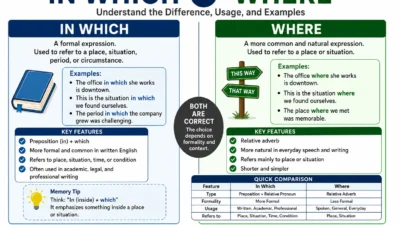
Battle of Words11 Min Read Isaac CalebonAugust 18, 2026 In Which vs Where: Meaning, Differences, Rules, and Examples Understanding in which vs where can be confusing because both expressions can introduce a clause that describes a place, situation, or… Discover More
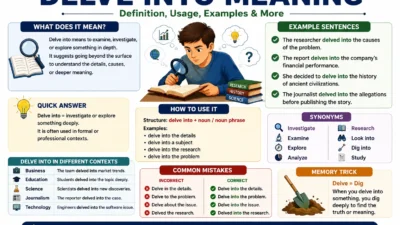
Battle of Words9 Min Read Julian WyattonAugust 18, 2026 Delve Into Meaning: “Delve Into” Mean and How Do You Use It? If you have searched for delve into meaning, you may have noticed that the phrase appears frequently in books, articles, academic writing,… Discover More
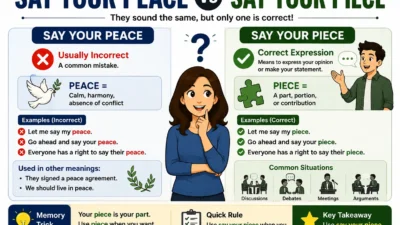
Battle of Words10 Min Read Julian WyattonAugust 18, 2026 Say Your Peace vs Say Your Piece: Which One Is Correct? If you have ever wondered about say your peace vs say your piece, you are not alone. These expressions sound exactly or nearly exactly alike… Discover More
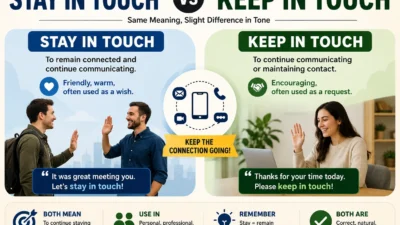
Battle of Words9 Min Read Jayden RyanonAugust 18, 2026 Stay in Touch vs Keep in Touch: Meaning, Difference, and How to Use Them When comparing stay in touch vs keep in touch, many English learners wonder whether these phrases have different meanings or simply offer two… Discover More
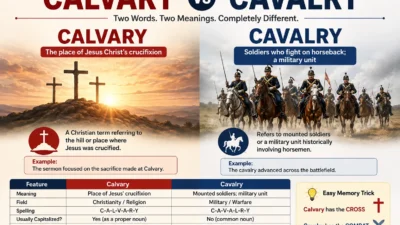
Battle of Words9 Min Read Jayden RyanonAugust 17, 2026 Calvary vs Cavalry: Meaning, Difference, Usage If you have ever seen the words calvary vs cavalry you may have wondered whether they are simply different spellings of the same word. They… Discover More
Battle of Words9 Min Read Julian WyattonAugust 17, 2026 One Fell Swoop Meaning: What Does “One Fell Swoop” Really Mean? The phrase one fell swoop meaning can be confusing because “fell” looks like the past tense of fall, while “swoop” suggests a sudden downward… Discover More
Battle of Words9 Min Read Isaac CalebonAugust 17, 2026 Happy Holidays vs Happy Holiday: Which One Should You Use? The difference between happy holidays vs happy holiday can seem small, but the two expressions are used in different situations. The plural… Discover More
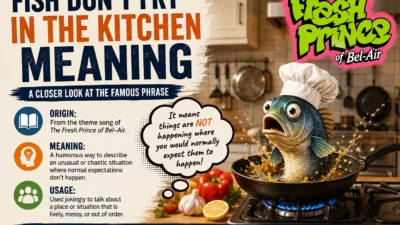
Battle of Words10 Min Read Jayden RyanonAugust 16, 2026 Fish Don’t Fry in the Kitchen Meaning: What the Famous Phrase Really Means The fish don’t fry in the kitchen meaning can seem confusing if you hear the phrase without knowing where it comes from. It is best known from… Discover More