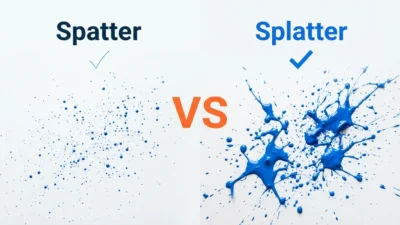
Battle of Words4 Min Read Jayden RyanonJuly 26, 2026 Spatter vs Splatter: What’s the Difference? Meaning, Grammar Guide The spatter vs splatter debate often confuses English learners, writers, and even native speakers because both words describe liquid… Discover More
Battle of Words4 Min Read Julian WyattonJuly 25, 2026 Inquiring Minds Want to Know: Meaning,Examples, and Mistakes The phrase inquiring minds want to know is one of the most recognizable expressions in English. People often use it humorously or sincerely… Discover More
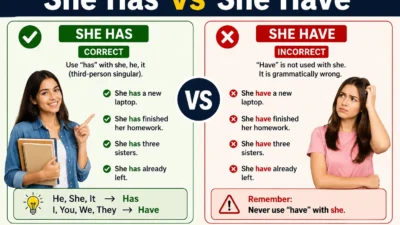
Battle of Words4 Min Read Isaac CalebonJuly 25, 2026 She Has vs She Have: The Difference and Which One Is Correct? The grammar question she has vs she have is one of the most common mistakes made by English learners. Although both phrases contain the verb… Discover More
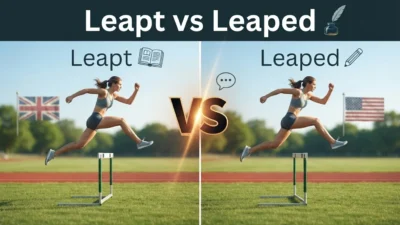
Battle of Words4 Min Read Julian WyattonJuly 25, 2026 Leapt vs Leaped: What’s the Difference One Should You Use? The debate over leapt vs leaped often confuses English learners and even native speakers. Both words are the past tense and past participle of… Discover More
Battle of Words4 Min Read Isaac CalebonJuly 25, 2026 Cartel vs Mafia: What’s the Real Difference? Meanings The debate over cartel vs mafia often comes up in news reports, movies, books, and everyday conversations. While many people use these terms… Discover More
Battle of Words5 Min Read Julian WyattonJuly 24, 2026 My Father and I vs My Father and Me: The Grammar Guide Use My father and I vs my father and me is one of the most common grammar questions in English. Many people know both phrases are correct but… Discover More
Battle of Words4 Min Read Julian WyattonJuly 24, 2026 Giving vs Given: What’s the Difference? Meaning and Examples Many English learners struggle with giving vs given because both words come from the verb give, yet they serve different grammatical purposes.… Discover More
Battle of Words5 Min Read Julian WyattonJuly 24, 2026 Finger in the Dike Meaning: Definition,Examples, and Correct The phrase finger in the dike meaning often confuses English learners because it sounds literal, yet it is actually an idiom. Many people… Discover More
Battle of Words5 Min Read Julian WyattonJuly 24, 2026 Who to Contact vs Whom to Contact: Meaning,Differences and rule The debate over who to contact vs whom to contact is one of the most common grammar questions in English. While both words refer to people,… Discover More
Battle of Words5 Min Read Isaac CalebonJuly 24, 2026 Looking Forward to Working With You: Meaning, Professional Alternatives The phrase looking forward to working with you is one of the most common expressions used in professional communication. You’ll often… Discover More